



TALORE DIAMONDS
Natural Orange Diamonds
Rare color. Exceptional provenance. Timeless value.


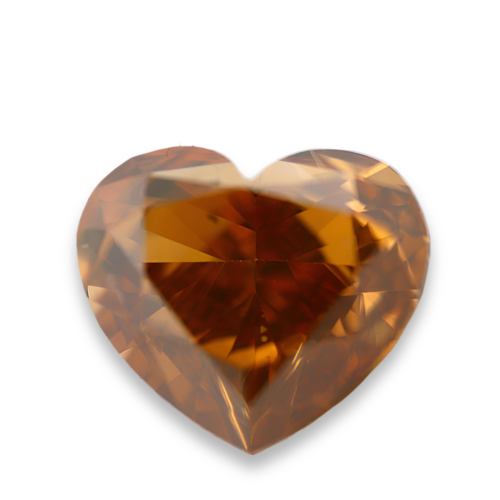


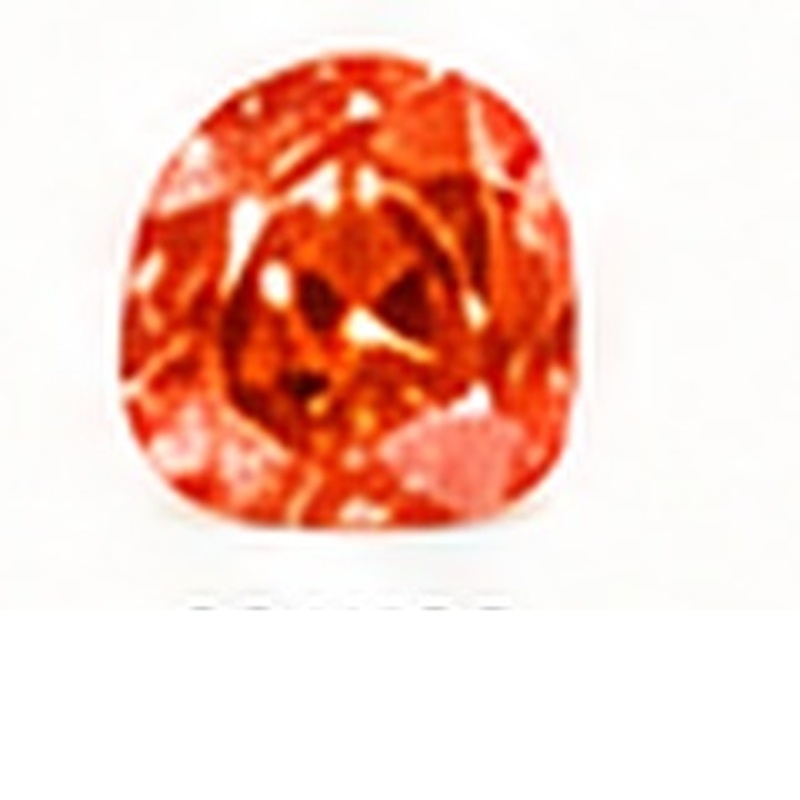
0.60ct FANCY Orange Diamond
Oval • VS2
Original price was: $2,103.55.$960.00Current price is: $960.00.
View Diamond
Natural Orange Diamonds: Rare Fancy Color Diamonds
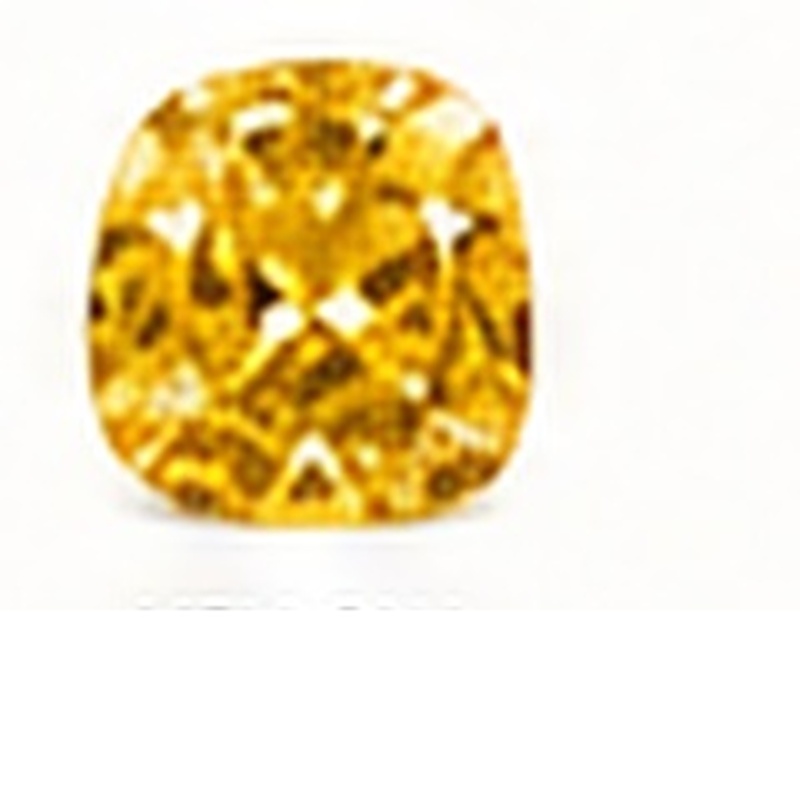
Natural orange diamonds are among the most distinctive fancy color diamonds, admired for hues that range from soft peach and golden orange to saturated, fiery orange. Their color can be influenced by a combination of structural defects and trace elements formed deep within the Earth. Pure orange diamonds are especially uncommon; many stones display secondary hues such as yellow, brown, or pink.
Explore our collection of natural orange diamonds and compare each stone by its individual color grade, shape, carat weight, clarity, and available laboratory report. Every fancy color diamond is unique, so its appearance should be evaluated individually rather than by carat weight alone.
Understanding Orange Diamond Color Grades
Fancy color diamond reports describe both the strength of the color and any modifying hues. Depending on the stone, descriptions may include Fancy Light, Fancy, Fancy Intense, Fancy Vivid, Fancy Deep, or Fancy Dark, along with combinations such as yellowish orange or orangy yellow. These terms are not interchangeable: the dominant color and modifying hue affect how a diamond looks and how buyers compare it with other stones.
For example, a diamond described as Fancy Vivid Yellow-Orange may look quite different from a diamond described as Fancy Deep Brownish Orange. Review the exact grading language on the accompanying report and examine photographs or video under consistent lighting.
What Determines the Price of an Orange Diamond?
Orange diamond prices vary widely. Important factors include the natural origin of color, strength and distribution of the orange hue, presence of secondary colors, carat weight, cut, clarity, and independent grading documentation. Particularly saturated stones with an attractive orange appearance may command substantial premiums, but rarity does not guarantee future appreciation or resale liquidity.
Choosing a Natural Orange Diamond
Check color origin: confirm whether the report identifies the color as natural rather than treated.
Compare face-up appearance: assess color distribution, brightness, and any dark or uneven areas.
Review proportions and shape: radiant, cushion, oval, pear, and other cuts can present fancy color differently.
Verify documentation: review the report number and grading details when an independent report is provided.
Consider the intended use: a loose diamond for collecting may call for different priorities than a diamond intended for a ring or pendant.
Orange Diamonds for Jewelry and Collecting
Orange diamonds can make striking center stones in engagement rings, pendants, and bespoke jewelry. The setting metal and surrounding gemstones can influence how the color appears to the eye. Collectors may instead prioritize a particular color combination, unusual intensity, or exceptional rarity. Browse the available orange diamonds above and contact Talore Diamonds for additional details about a specific stone.
Frequently Asked Questions About Orange Diamonds
Are natural orange diamonds rare?
Yes. Natural fancy orange diamonds are uncommon, and stones with a strongly saturated, predominantly orange appearance are especially scarce.
Are orange diamonds always treated?
No. Orange coloration can occur naturally, although treatments can also change diamond color. Independent laboratory documentation is important when natural color origin matters.
Are orange diamonds the same as yellow-orange diamonds?
No. The wording of a fancy color grade describes the dominant hue and any modifying colors. Two stones with similar-looking names can have noticeably different appearances.
Can I buy an orange diamond with a grading report?
Check each product listing for the specific laboratory documentation offered with that diamond. Availability and report types vary by stone.